MENU

MENU

Business leaders no longer have the luxury of treating cybersecurity as an afterthought. Breaches are climbing in both frequency and cost, and attackers are moving faster than most internal IT teams can keep pace with. A single unpatched server or one careless click on a phishing email can bring operations to a halt for days, sometimes weeks. For small and mid-sized businesses especially, the financial and reputational fallout from a breach can be difficult to recover from.
This guide on Securing Your Business Data: Best Practices for Cybersecurity in 2026 walks through the threats shaping this year, the practices that separate resilient companies from vulnerable ones, and the steps decision-makers can take right now to strengthen their security posture. Whether you're running a lean SME or overseeing IT for a growing enterprise, the fundamentals covered here apply directly to your situation.
Threat actors have adopted new tools and tactics, and the pace of change shows no sign of slowing. Businesses that assume last year's defenses are still adequate are setting themselves up for a rude awakening.
Phishing emails no longer read like the clumsy, typo-riddled messages of years past. Attackers now use generative AI to craft convincing, personalized messages that mimic a colleague's tone or a vendor's invoice format. Ransomware-as-a-service has also lowered the barrier to entry, letting individuals with minimal technical skill rent out attack infrastructure and launch campaigns against unsuspecting companies. Meanwhile, supply chain attacks continue to grow, where a single compromised vendor or software update can expose dozens or hundreds of downstream businesses at once.
Regulators aren't sitting still either. Data protection laws continue to tighten across industries, and businesses handling customer information face growing obligations around breach notification, data retention, and third-party audits. Falling short of compliance doesn't just invite fines; it can also damage trust with clients and partners who expect their data to be handled responsibly.
Larger enterprises tend to dominate headlines when a breach occurs, but smaller businesses are frequently the ones attackers target first. Their defenses are often thinner, and the payoff-to-effort ratio makes them attractive.
Many SME owners assume their company isn't interesting enough to attract a serious attacker. That assumption is exactly what makes them vulnerable. Automated attack tools don't discriminate by company size; they scan for weaknesses wherever they exist. A smaller footprint often means fewer security layers, which makes these businesses easier, not less likely, targets.
The aftermath of a breach extends well beyond the initial incident. Operational downtime alone can cost a business thousands of dollars per hour, depending on the industry. Add in the reputational damage of notifying customers that their data was exposed, plus potential legal exposure from regulatory bodies or affected clients, and the true cost of a breach becomes clear. Recovery isn't just technical; it's financial, legal, and relational all at once.
Building a resilient security posture doesn't require an unlimited budget, but it does require consistency and the right combination of tools, policies, and habits. Below are the practices that should sit at the center of any serious cybersecurity strategy this year.
The old model of trusting anything inside the network perimeter is outdated. Zero Trust operates on a simple principle: verify every user and device, every time, regardless of location. This approach limits how far an attacker can move if they manage to breach one part of the network, containing the damage rather than allowing free rein.
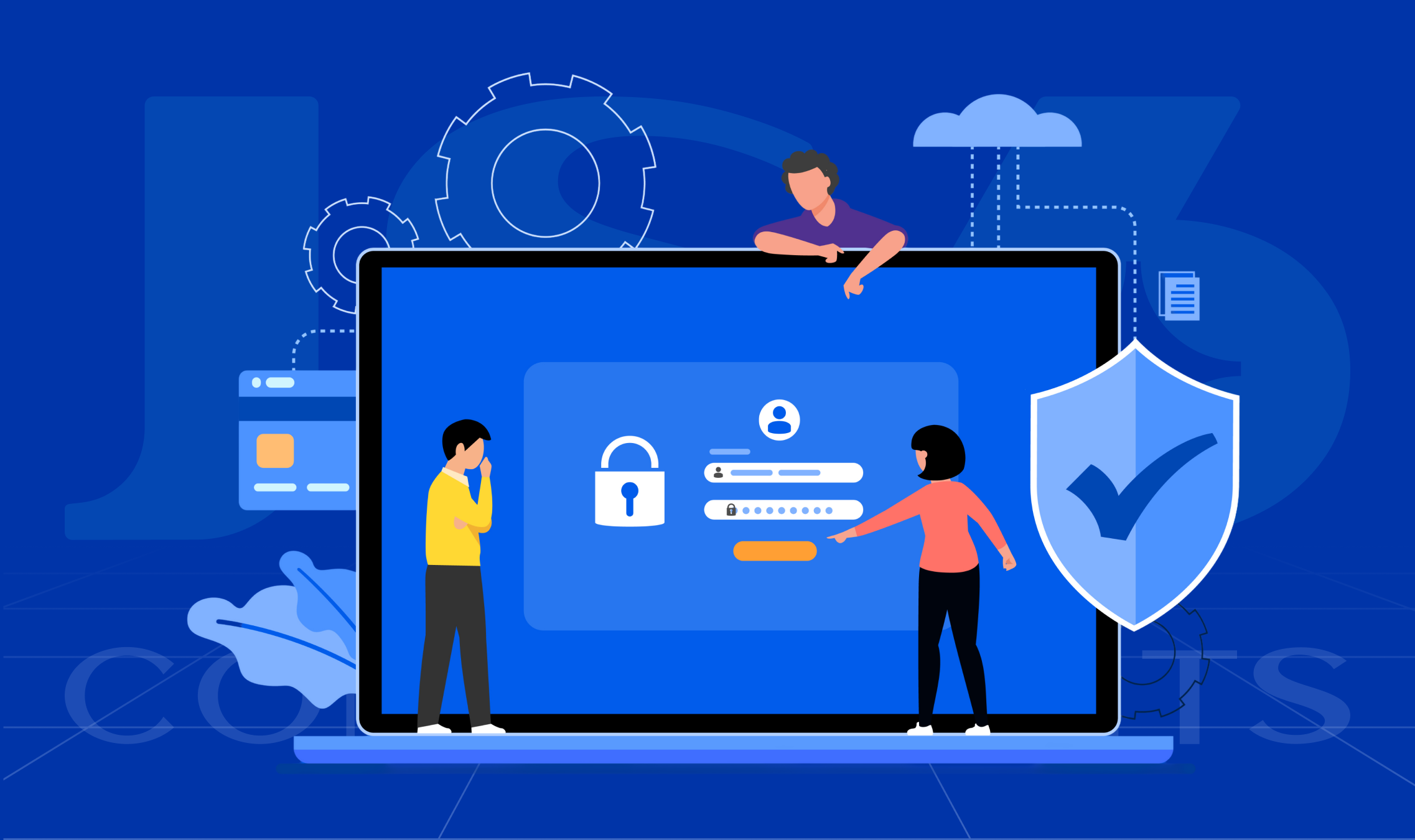
Passwords alone are no longer sufficient protection. Multi-factor authentication adds a second layer of verification, whether through a mobile app, hardware token, or biometric check. Businesses that roll out MFA across every account, not just email or VPN access, close off one of the most common entry points attackers rely on.
Technology can only go so far if employees aren't equipped to recognize threats. Regular training sessions that cover phishing recognition, password hygiene, and safe data handling turn staff into an active line of defense rather than a liability. Consider running simulated phishing tests periodically to measure how well the training is sticking.
Every laptop, phone, and connected device represents a potential entry point. Endpoint detection and response tools monitor these devices continuously, flagging unusual behavior before it escalates into a full breach. Given how many employees now work remotely or hybrid, endpoint visibility has become non-negotiable.
Unpatched software remains one of the most exploited weaknesses across businesses of every size. Establishing a consistent patch management schedule, paired with periodic vulnerability scans, closes gaps before attackers find them. Automating this process where possible reduces the chance of human oversight.
Encrypting sensitive data, whether it's sitting on a server or moving between systems, ensures that even if attackers intercept it, the information remains unreadable without the proper keys. This should apply to customer records, financial data, and any proprietary business information.
No security strategy is complete without a solid backup plan. Regular, encrypted backups stored separately from primary systems give businesses a path to recovery if ransomware or hardware failure strikes. Pair this with a documented disaster recovery plan so your team knows exactly what steps to take when an incident occurs, rather than scrambling to figure it out in real time.
Your security is only as strong as the weakest vendor in your supply chain. Assessing third-party vendors for their own security practices, and requiring contractual commitments around data protection, reduces the risk of an outside breach becoming your problem.
Artificial intelligence has become a double-edged tool in cybersecurity, and businesses need to understand both sides of that equation.
Cybercriminals now use AI to automate reconnaissance, generate convincing phishing content, and identify vulnerabilities faster than manual methods ever allowed. This has accelerated the speed and scale at which attacks can be launched, putting additional pressure on businesses to keep their defenses current.
On the defensive side, AI-powered security platforms analyze network traffic and user behavior in real time, flagging anomalies that a human analyst might miss or catch too late. These tools can isolate compromised devices automatically, cutting down the window of exposure and giving IT teams a head start on containment.
Knowing which practices matter is one thing; knowing how to prioritize them is another. A clear roadmap turns good intentions into measurable progress.
Start with a thorough audit of your current systems, identifying where sensitive data lives, who has access to it, and where existing gaps sit. This baseline assessment gives you a realistic picture of your exposure and informs every decision that follows.
Not every improvement needs to happen at once. Quick wins, such as enabling MFA or updating outdated software, can be implemented within days and immediately reduce risk. Larger investments, like a full Zero Trust rollout or a dedicated security operations center, take more planning but deliver lasting value. Balancing both keeps momentum going while building toward a stronger long-term posture.
Cybersecurity spending should be framed the same way as insurance or payroll: a fundamental cost of doing business responsibly. Businesses that treat it as optional often end up paying far more after an incident than they would have spent on prevention. Allocating a consistent percentage of the IT budget toward security keeps this from becoming an afterthought.
Not every business has the internal resources to manage cybersecurity alone, and that's where a trusted partner makes a measurable difference.
Working with a managed IT security provider gives businesses access to expertise and tools that would be costly to build in-house. Providers stay current on the latest threats and compliance requirements, allowing internal teams to focus on core business functions instead of chasing the newest attack vector.
Threats don't operate on a nine-to-five schedule, and neither should your defenses. Managed providers offer around-the-clock monitoring, so incidents get flagged and addressed the moment they occur rather than the next business day. They also assist with compliance documentation, audits, and reporting, reducing the administrative burden on internal staff while keeping the business aligned with regulatory expectations.
Threats will keep evolving, and businesses that stay proactive rather than reactive will be the ones still standing when the next wave hits. From Zero Trust adoption to employee training and vendor management, every practice covered here plays a role in building a defense that can hold up under pressure. Reach out to JS6 Consultants to schedule a cybersecurity assessment and put these best practices to work for your business today.
What are the biggest cybersecurity threats businesses face in 2026?
AI-powered phishing, ransomware-as-a-service, and supply chain attacks top the list, alongside ongoing risks from unpatched software and weak access controls.
How much should a small business budget for cybersecurity?
There's no universal number, but many advisors recommend allocating a meaningful percentage of the overall IT budget specifically toward security, adjusted based on industry risk and the sensitivity of the data handled.
Is Zero Trust necessary for smaller companies?
Yes. Zero Trust principles scale down effectively and don't require enterprise-level budgets to implement meaningfully, even in phases.
What's the first step in improving my company's cybersecurity posture?
Start with a risk assessment. Understanding where your vulnerabilities exist gives you a clear starting point for prioritizing improvements.
How often should employee security training be updated?
At minimum, training should be refreshed annually, though quarterly reminders or simulated phishing tests help keep awareness sharp throughout the year.


.png)